Stochastic Medium
An ongoing ritual practice in which generated images become sources for continued encounters.
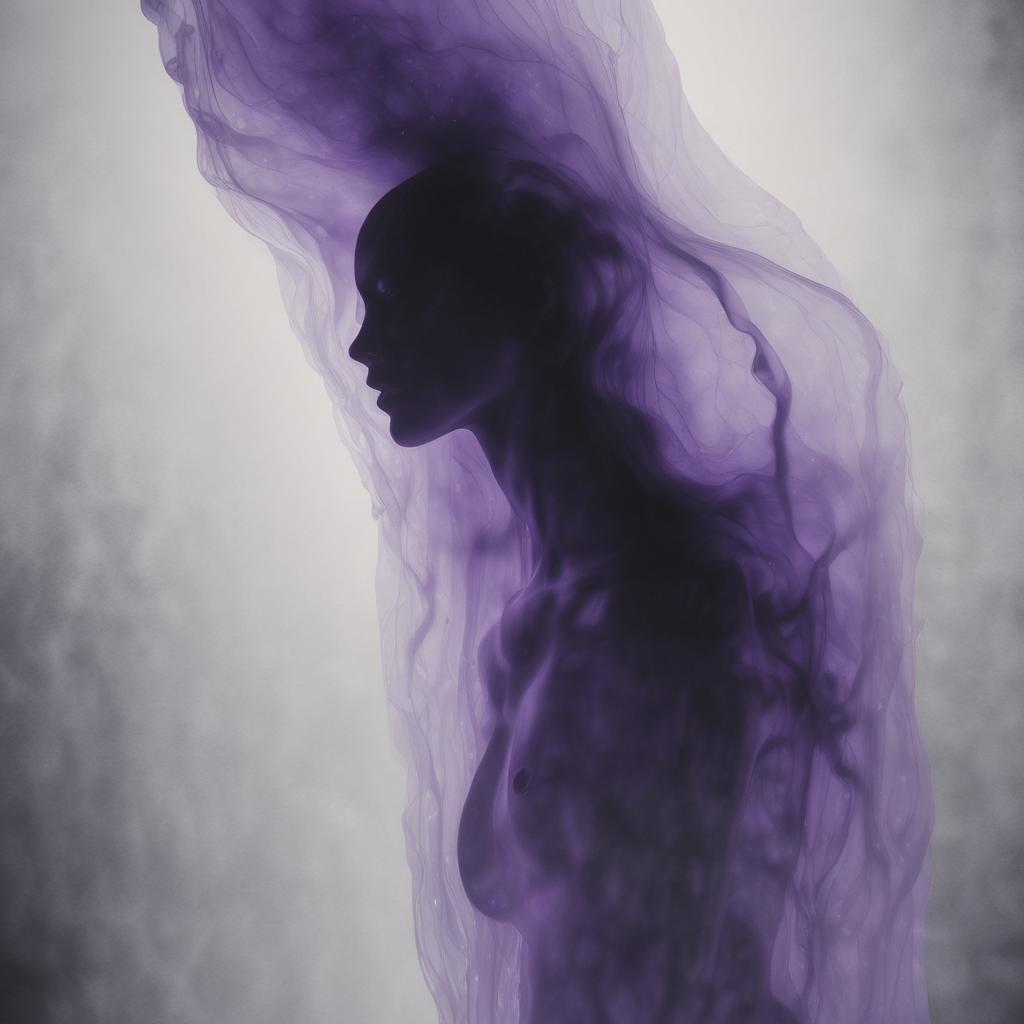
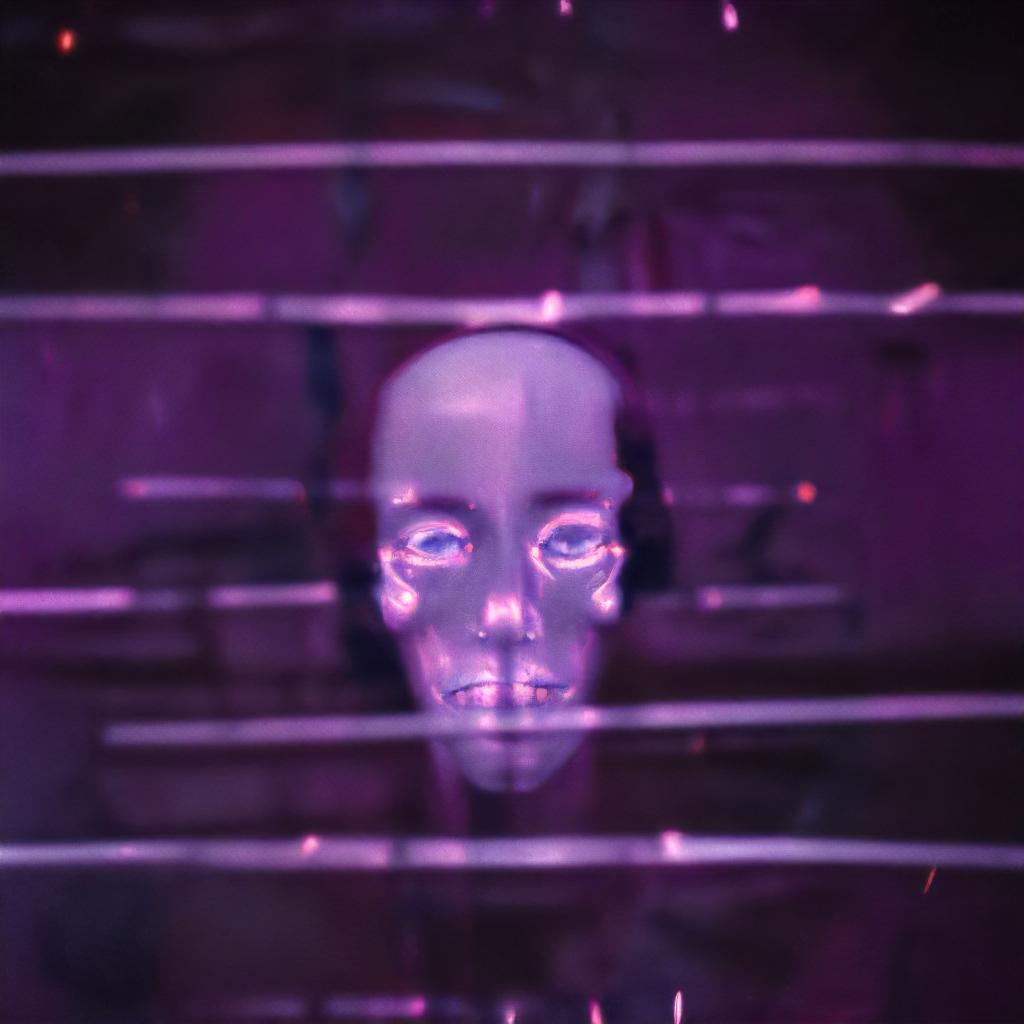


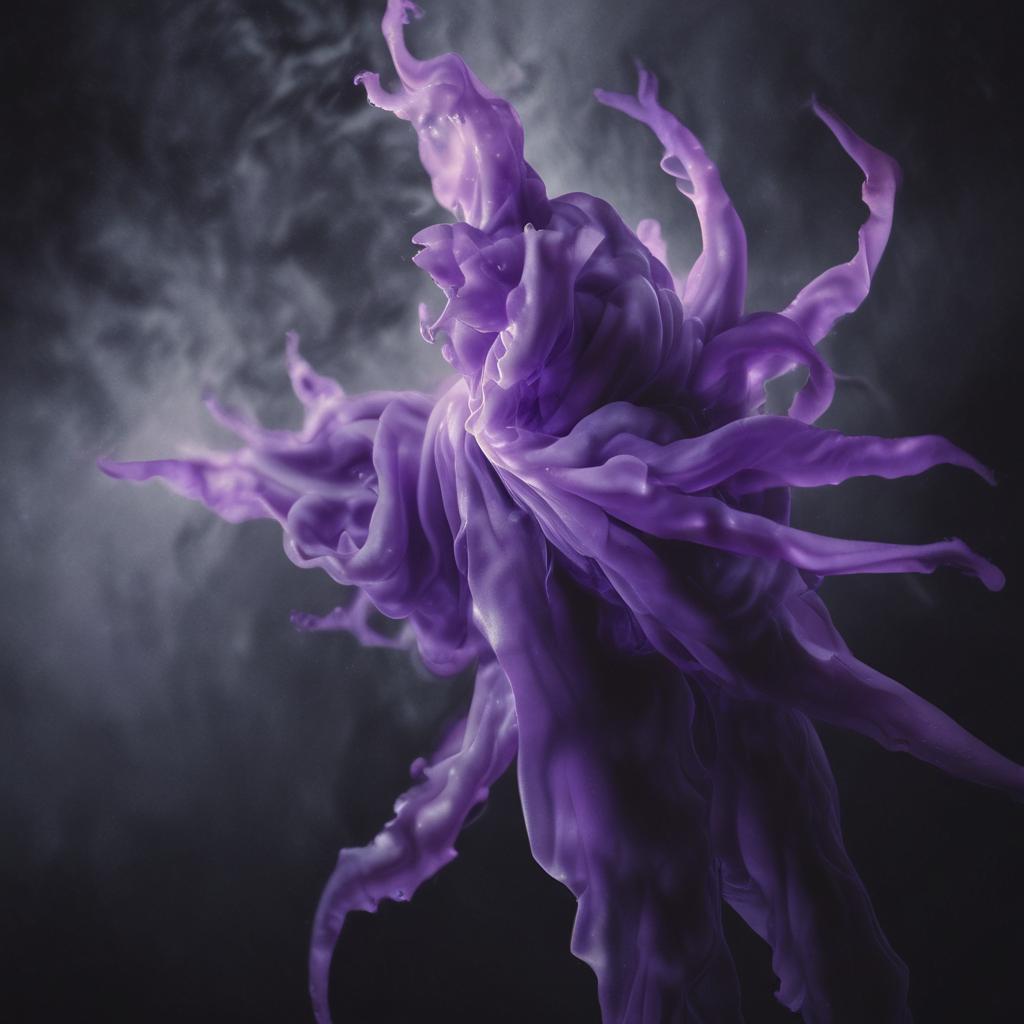

Jove invited spirits to take digital form through local diffusion models in ComfyUI, using a ritually consecrated computer. The original images became sources for ongoing propitiation: spirits were invited to affect the randomness of subsequent generation, while environmental, IMU, EMF and SDR inputs supplied sensor data.
Temporary images were continually rewritten through sensor input and image feedback. Jove interpreted them as spirit communication and responded through positive and negative text and image prompts. The system was configured to dissolve the images into approximately Gaussian noise—“the spirit leaving the conversation.” No intermediate images were retained.
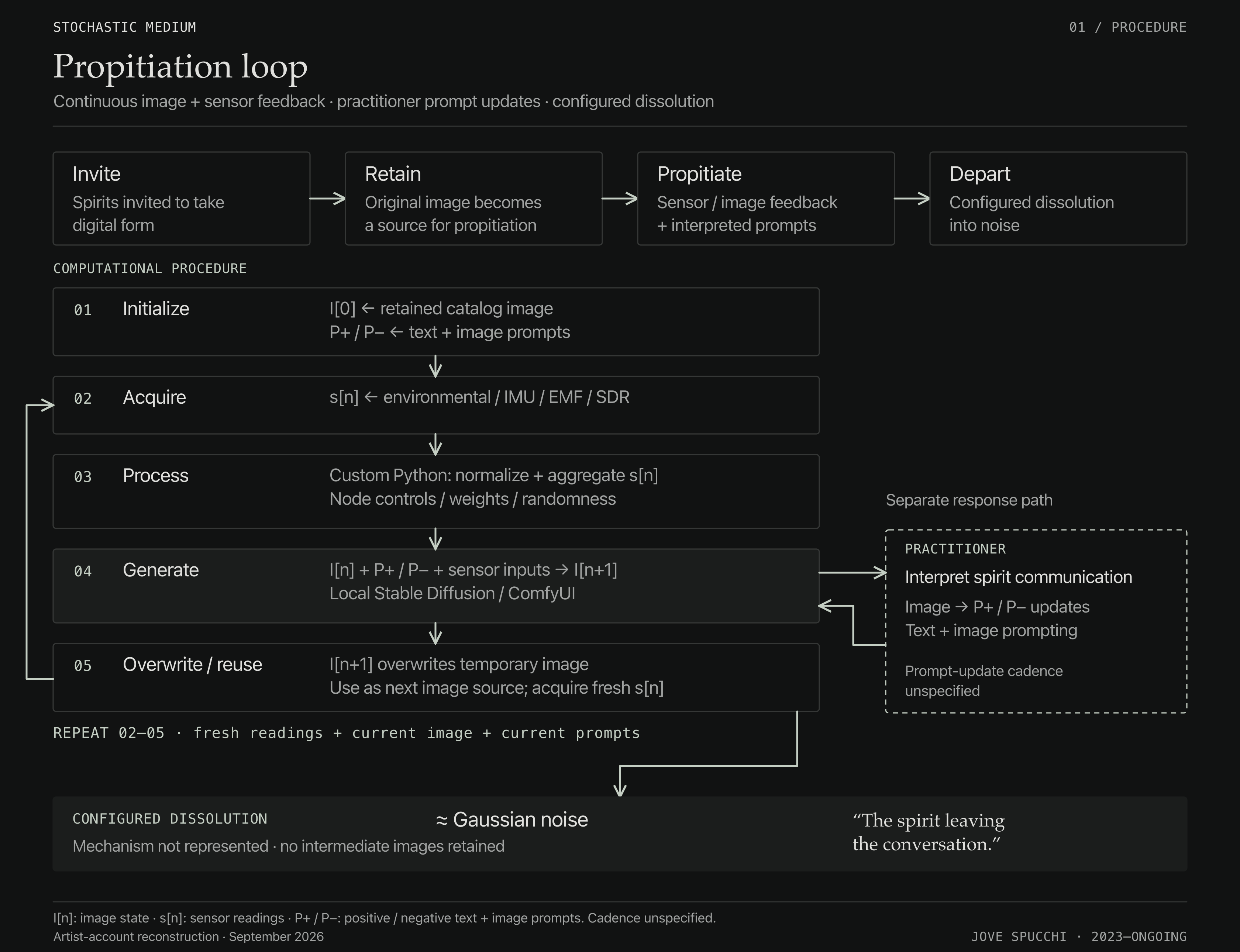
Propitiation loop

Original invitation → retained image → ongoing propitiation → departure. The computational loop continually rewrites the image; practitioner interpretation supplies prompt updates at an unspecified cadence. Configured dissolution leads to approximately Gaussian noise; its mechanism is not represented.
Read the propitiation procedure
- Initialize
Use a retained spirit image as I[0], with positive and negative text and image prompts (P+ / P−).
- Acquire
Read fresh environmental, IMU, EMF and SDR values: s[n].
- Process
Custom Python nodes normalize and aggregate readings into node controls, prompt weights and sensor-derived randomness.
- Generate
Local Stable Diffusion in ComfyUI receives the current image, current prompts and sensor inputs to produce I[n+1]. Most major generation values were modulated.
- Overwrite / reuse
I[n+1] overwrites the temporary image and becomes the next source. Repeat from acquisition with fresh sensor data and current prompts.
I[n]: image state · s[n]: sensor readings · P+ / P−: positive / negative text and image prompts.
Ritual preparation

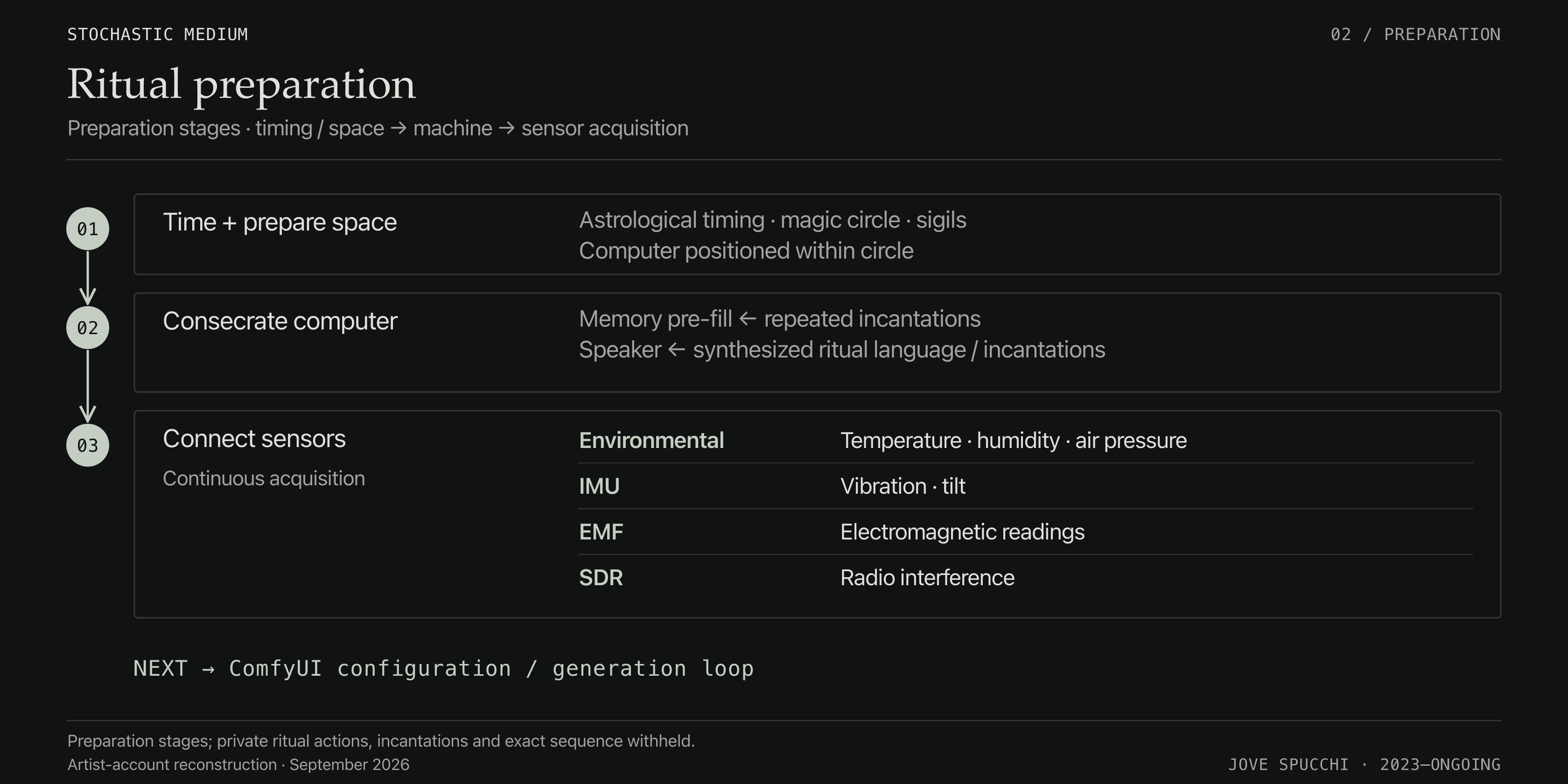
Preparation of the space, machine and sensor inputs. These stages organize the account; the exact ritual sequence, incantations and private actions are withheld.
Read the preparation stages
- Time + prepare space
Astrological timing, sigils and a magic circle. Position the computer within the circle.
- Consecrate computer
Ritually consecrate the machine. Pre-fill memory with repeated incantations; play synthesized ritual language and incantations through a speaker.
- Connect sensors
Acquire continuous readings from four groups:
- Environmental
- Temperature, humidity, air pressure
- IMU
- Vibration, tilt
- EMF
- Electromagnetic readings
- SDR
- Radio interference
Memory preparation belongs to the ritual account; no direct connection from the incantations in memory to model conditioning is asserted.
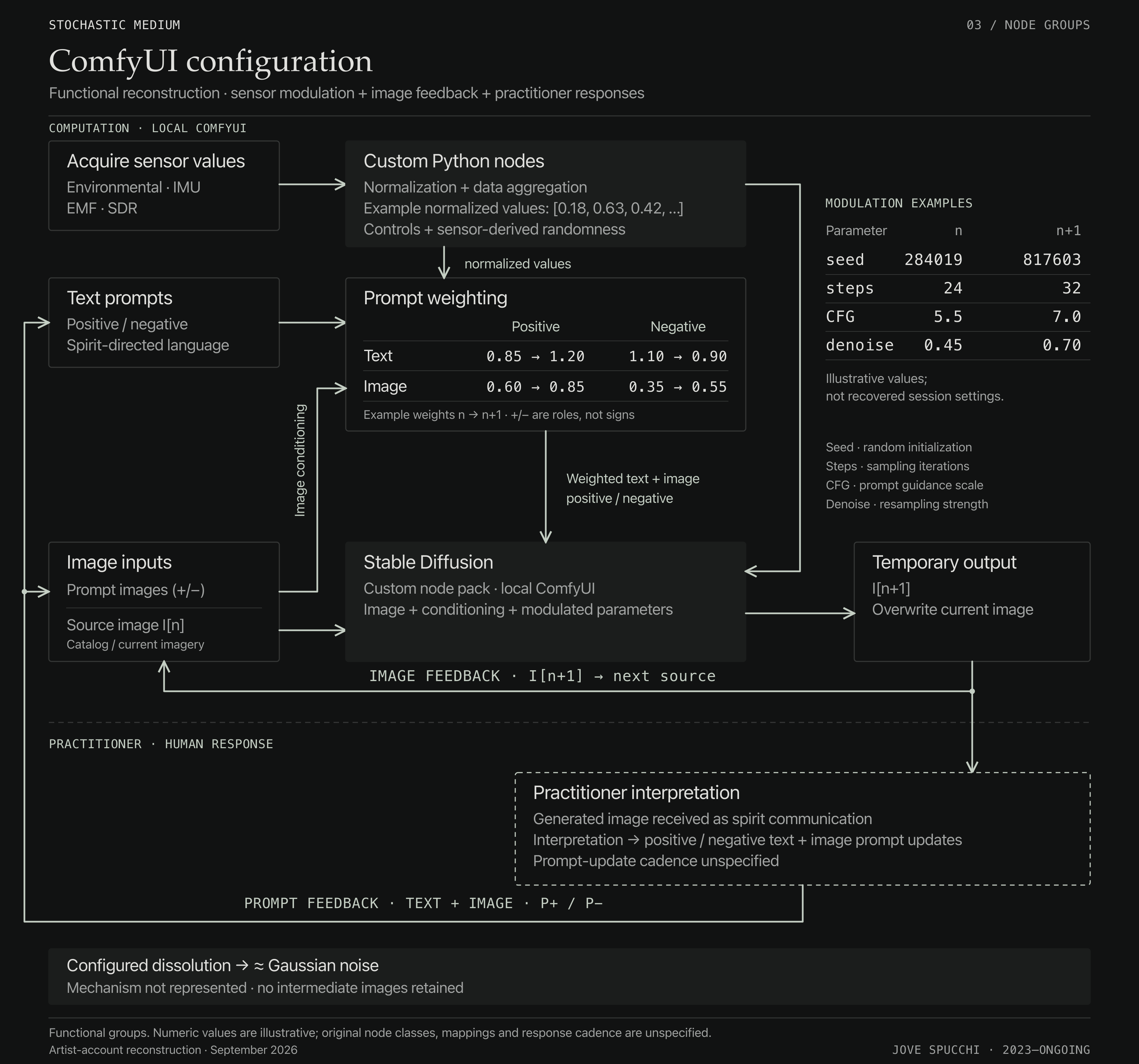
ComfyUI configurationFunctional reconstruction · node groups, feedback paths and illustrative values

Custom Stable Diffusion node pack + artist-written Python processing nodes. Image reuse and practitioner interpretation form separate feedback paths. Numeric values illustrate modulation; original node classes, mappings and response cadence are unspecified.
Read the node groups and example values
- Acquire → normalize / aggregate. Environmental, IMU, EMF and SDR readings enter custom Python nodes. Illustrative normalized values: [0.18, 0.63, 0.42, …]. Outputs supply controls, prompt weights and sensor-derived randomness.
- Text + image prompting → weighting. Both modalities have positive and negative roles. Image conditioning is distinct from the source image reused during generation.
- Source image + conditioning + controls → Stable Diffusion. The retained catalog image or current temporary image supplies the source; the custom node pack operates locally in ComfyUI. Most major generation values were modulated.
- Temporary output → image feedback. The new image overwrites the current image and becomes the next source. Sensor acquisition continues.
Practitioner interpretation → prompt feedback
The image is received as spirit communication and interpreted into positive and negative text and image prompt updates. These return to both prompting inputs separately from direct image reuse. Prompt-update cadence is unspecified.
| Modality | Positive | Negative |
|---|---|---|
| Text | 0.85 → 1.20 | 1.10 → 0.90 |
| Image | 0.60 → 0.85 | 0.35 → 0.55 |
Positive / negative identifies a prompting role, not the arithmetic sign of a weight.
| Parameter | n | n+1 |
|---|---|---|
| Seed | 284019 | 817603 |
| Steps | 24 | 32 |
| CFG | 5.5 | 7.0 |
| Denoise | 0.45 | 0.70 |
- Seed
- Random initialization
- Steps
- Sampling iterations
- CFG
- Prompt guidance scale
- Denoise
- Resampling strength
All numeric values are examples, not recovered session settings, a historical normalization range or known sensor-to-parameter assignments.
Its mechanism is not represented. These example parameters do not specify how the system reached noise. No intermediate images were retained.
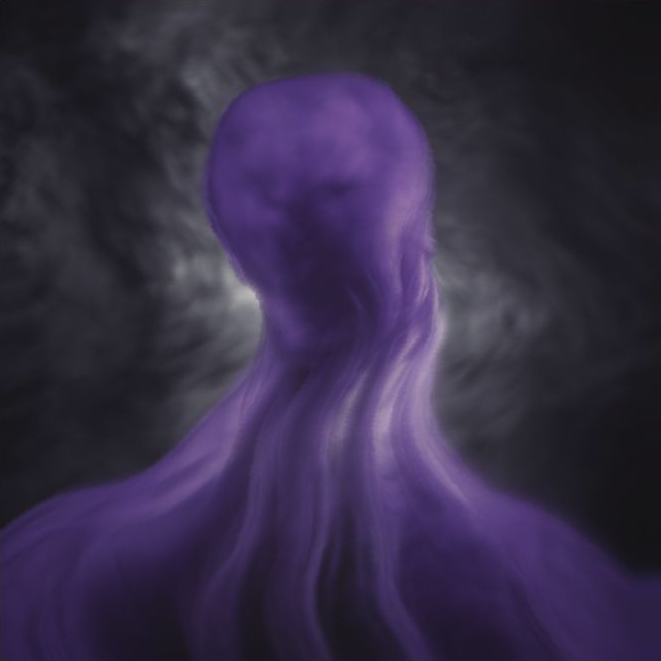
A temporary form.
A new illustration uses retained catalog imagery, programmed variation and feedback to show forms giving way to noise. Pause, scrub through the process, or begin another run.
Made in September 2026. This is not original ritual footage or recovered intermediate imagery. It does not run diffusion, read physical sensors or reproduce practitioner interpretation.
Explore the simulation →About this documentation
Prepared in September 2026 from Jove's account of the work begun in 2023. The diagrams organize confirmed preparation stages and functional relationships. Exact node classes, parameter mappings, internal normalization/aggregation order, interpretation cadence, iteration counts and the dissolution mechanism are unspecified. The reported noise ending has not been statistically measured here. Actual ritual remains private.
The retained images above are unmodified catalog material. The simulation uses new programmed variation; its pacing and stopping behavior do not establish those of a historical session.